Containers
Follow the water through a container
Follow where water enters a pot, how it drains and where it collects before choosing a container’s position.
Try a broader search or choose another section.
Follow where water enters a pot, how it drains and where it collects before choosing a container’s position.
A plant saucer catches water, but it should not become an unexamined part of the pot.
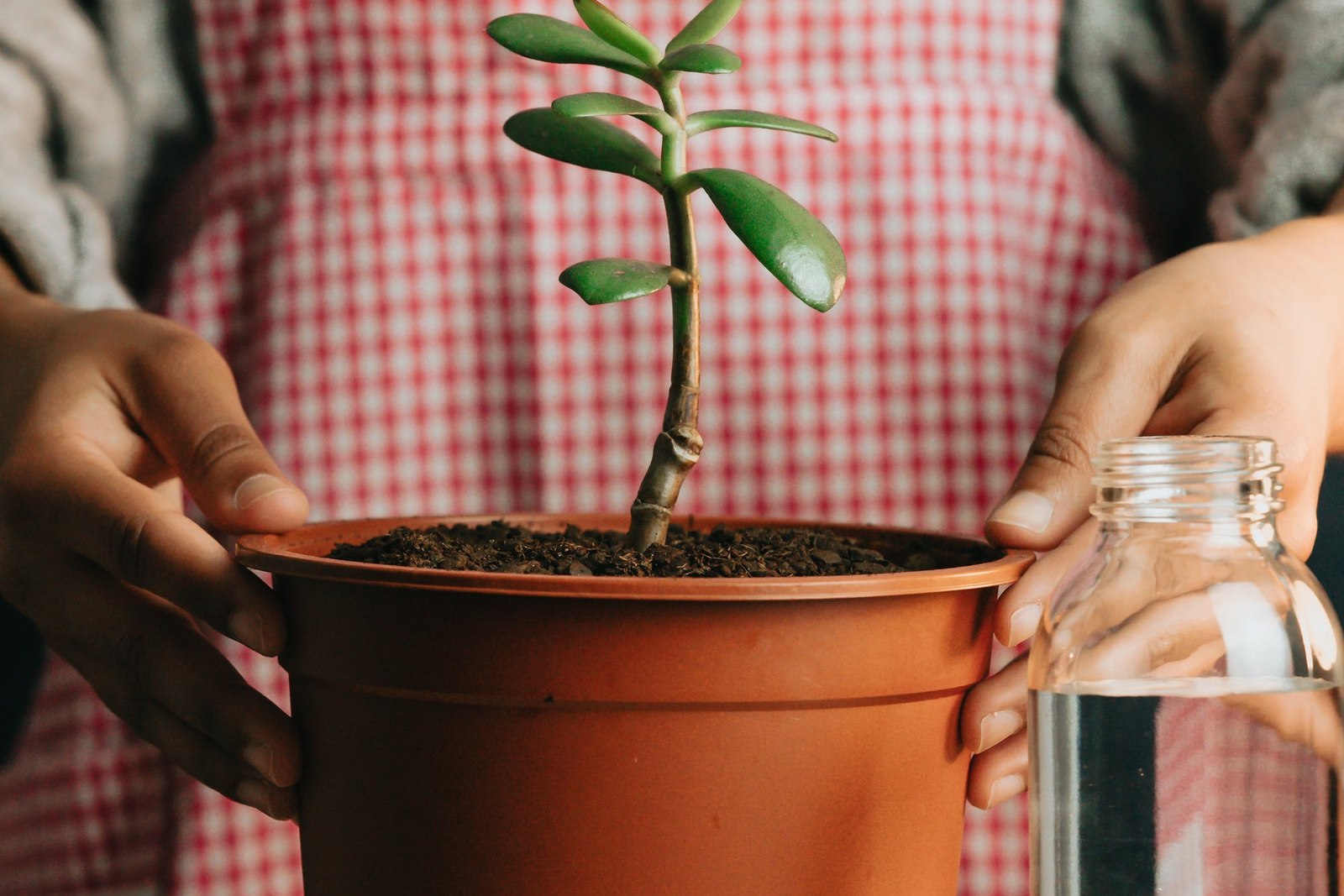
A growing pot needs working space around it.
A potting-mix change is easier to learn from when its details are recorded.
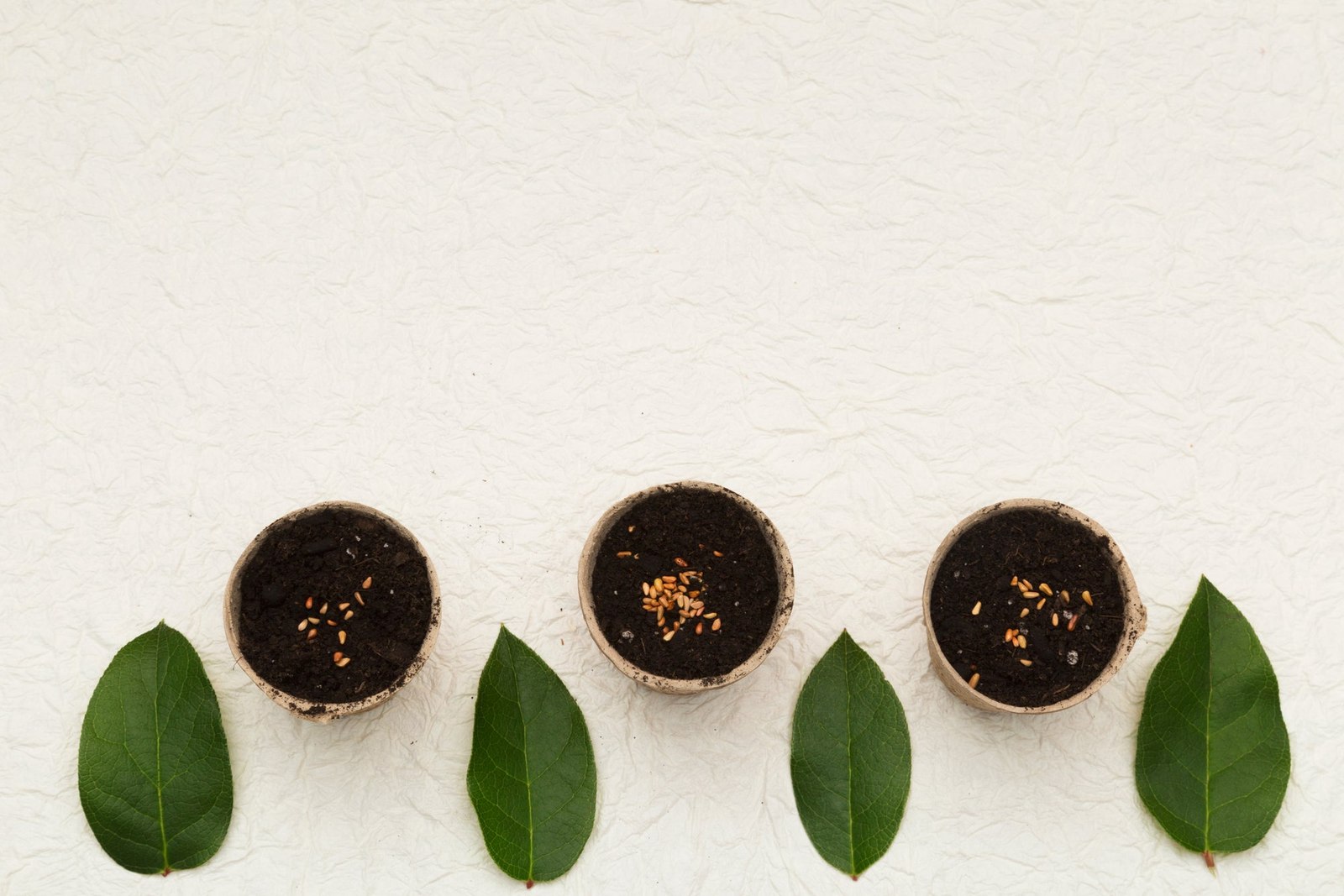
A plant support should fit the plant's growth habit and the space around it.
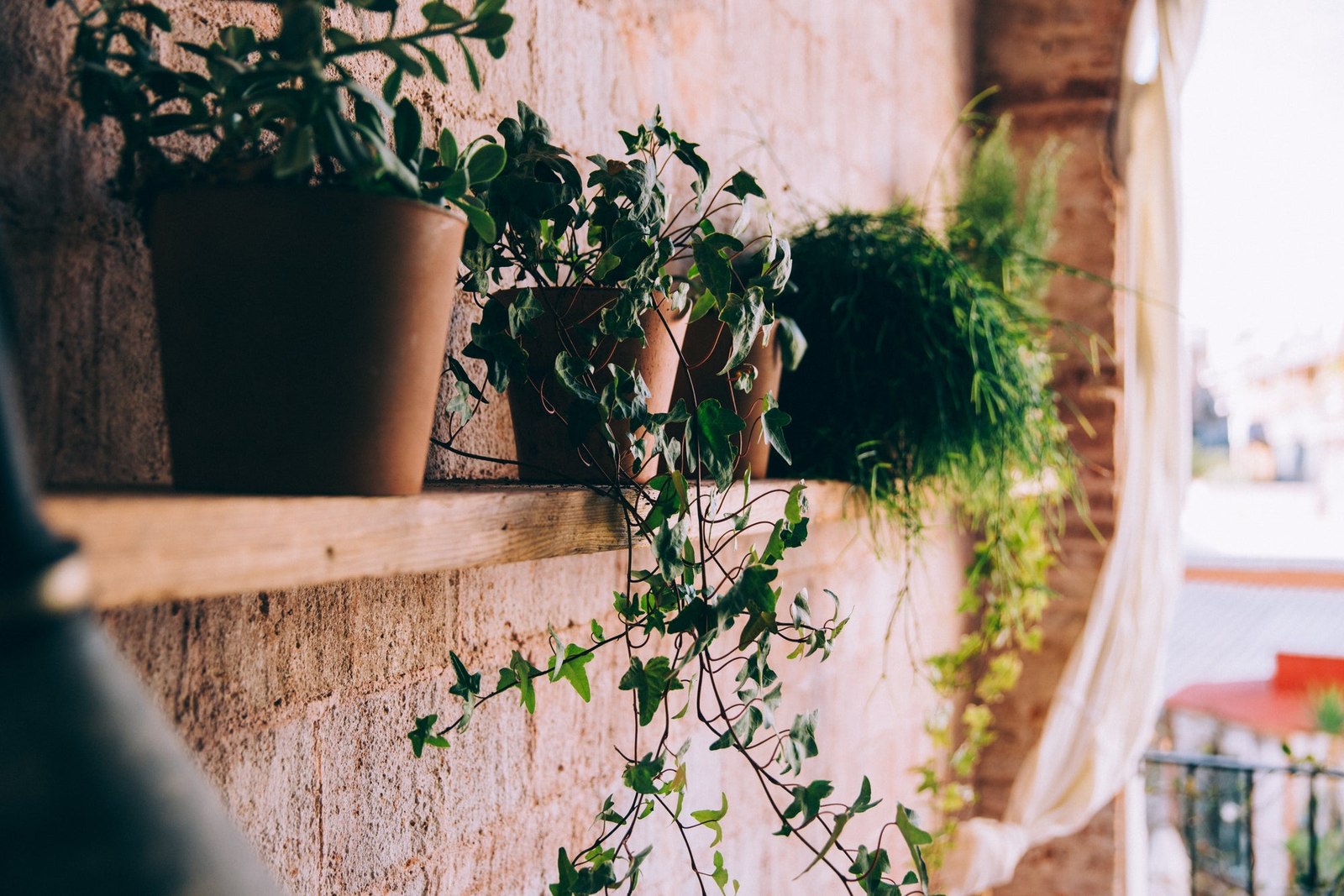
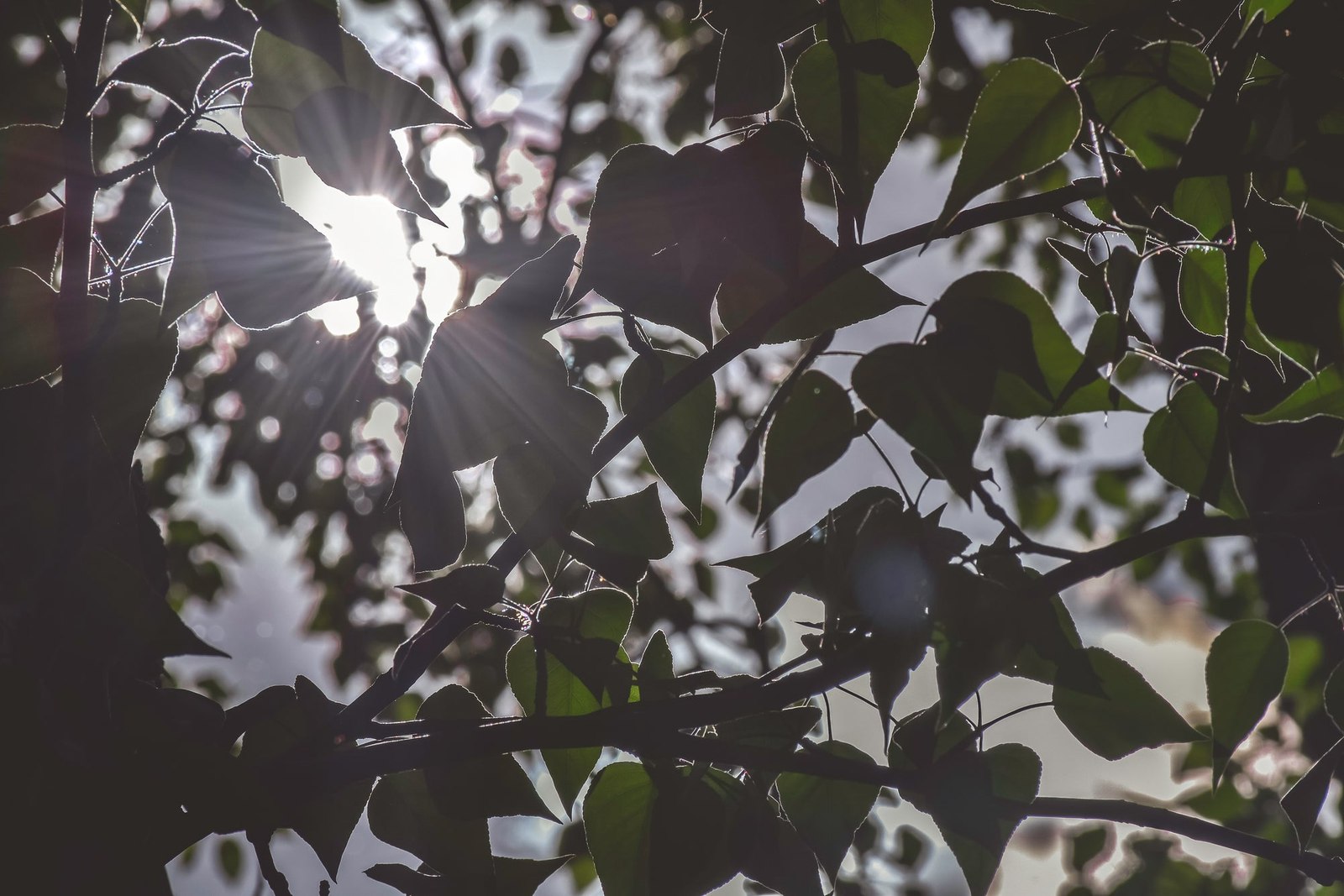
A windowsill has changing light, heat and working conditions.
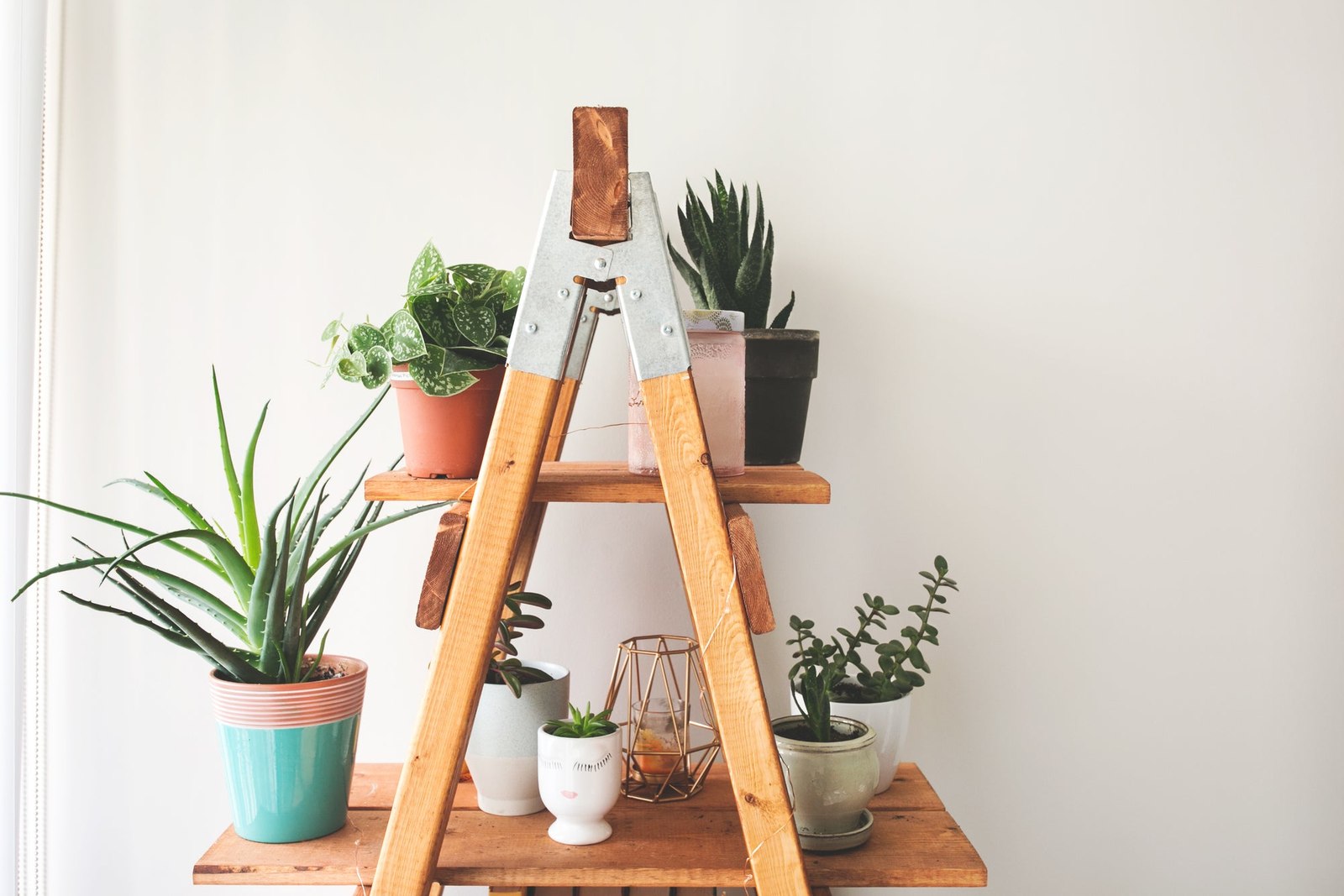
Rotating a pot is a care decision, not a universal weekly ritual.
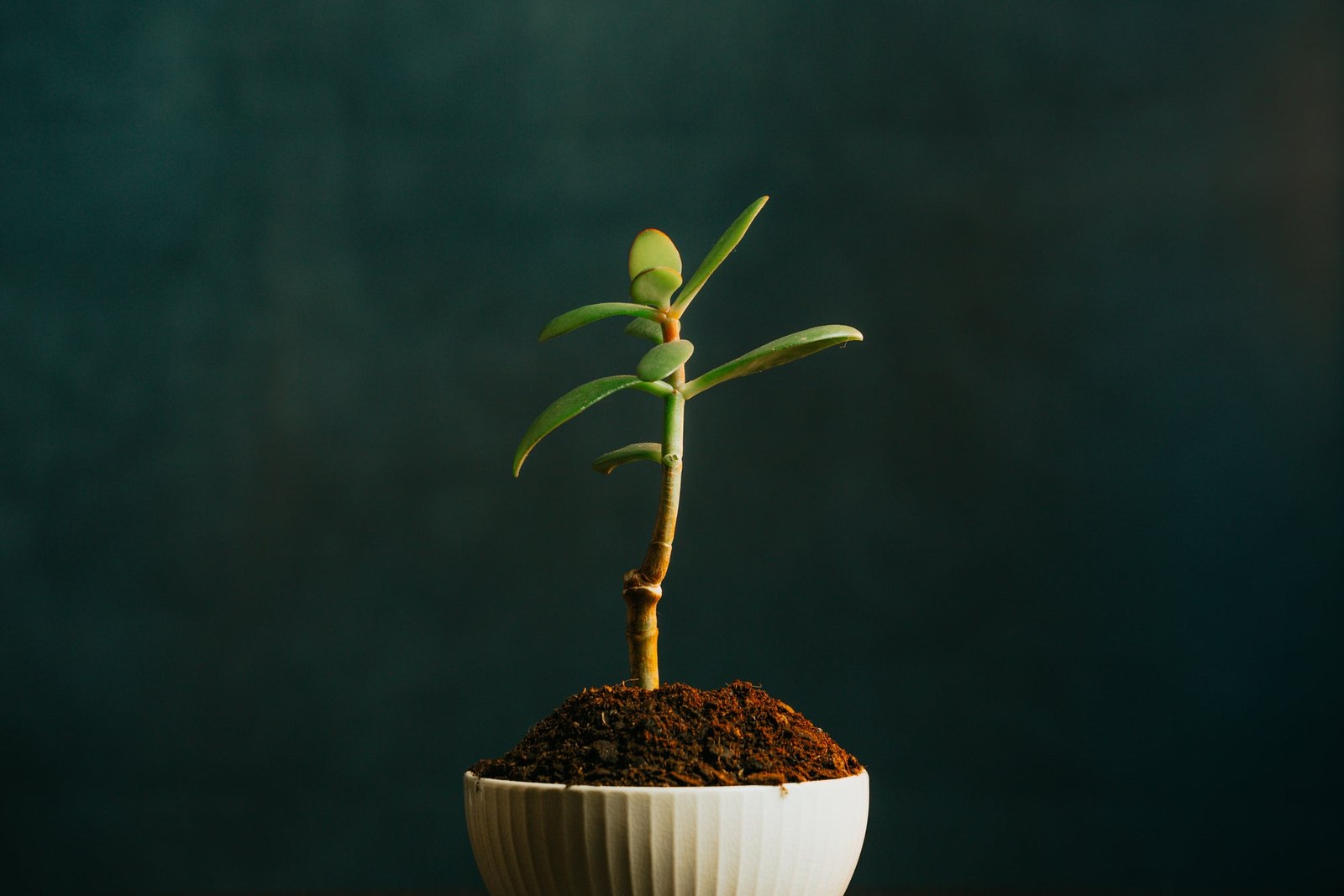
Before cleaning a leaf, check what kind of surface it has and whether cleaning is appropriate.
A sheltered corner can differ from the open part of a small garden.
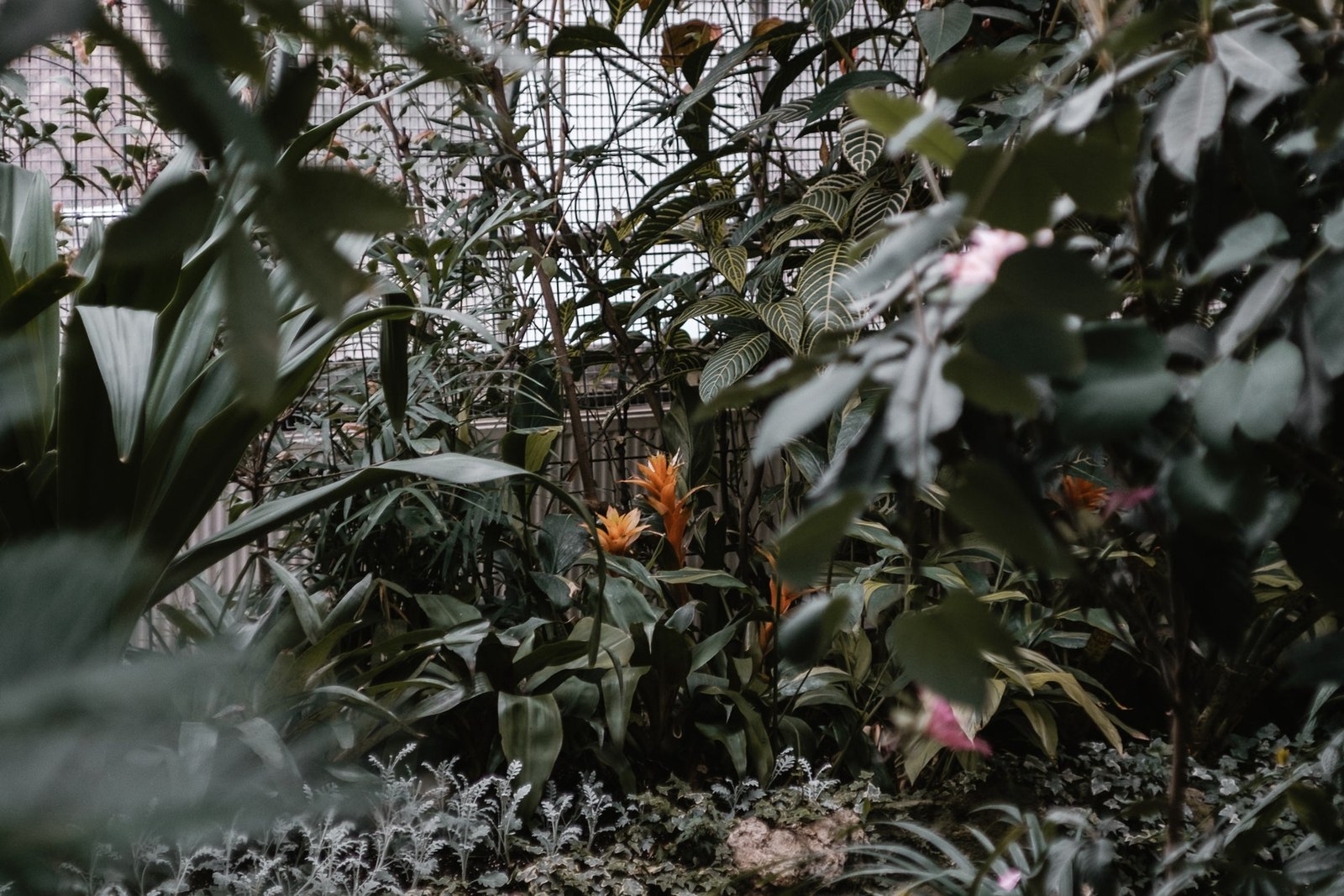
A group of plants should remain easy to inspect.
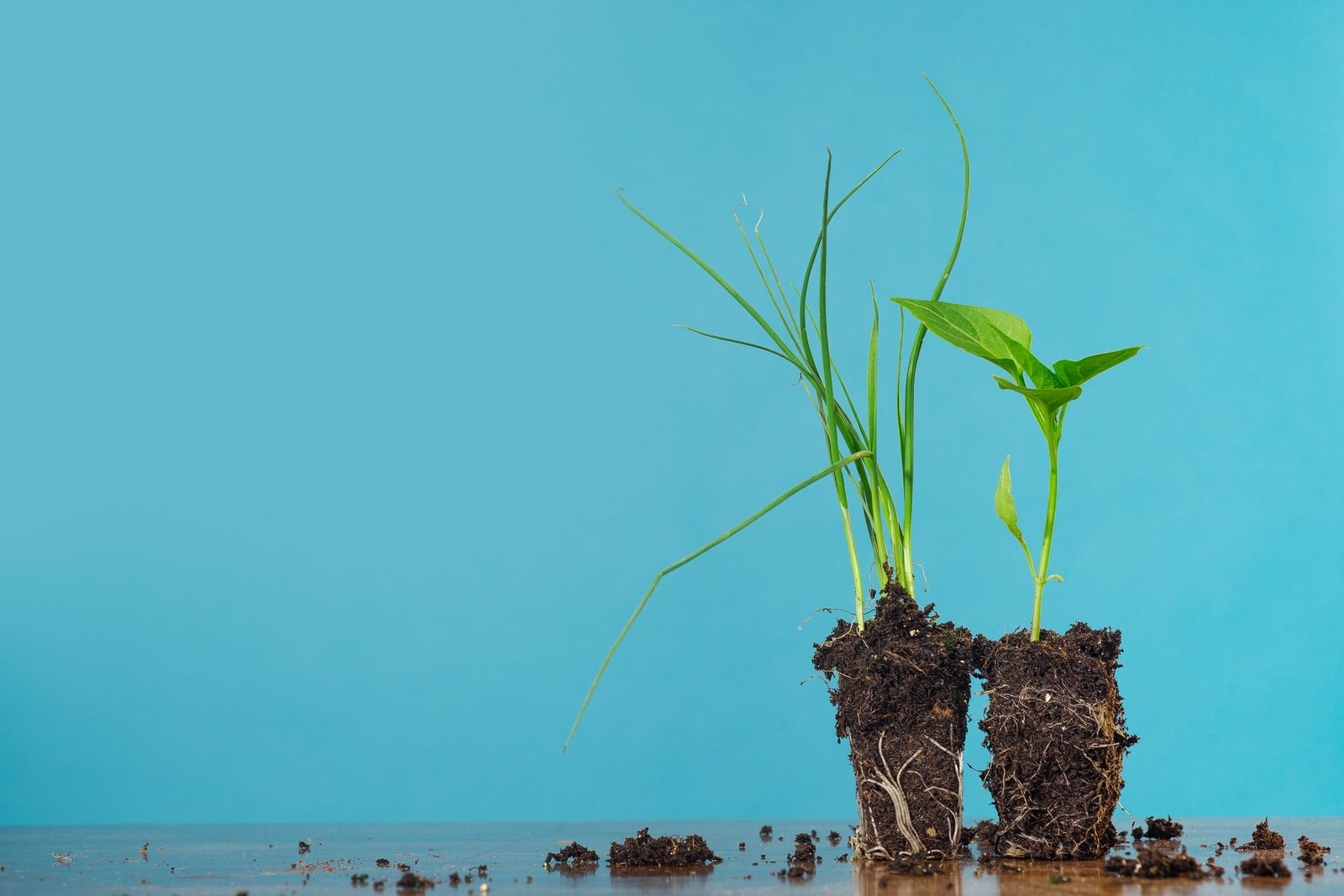
A watering route is a sequence of checks, not an instruction to give every pot a drink.
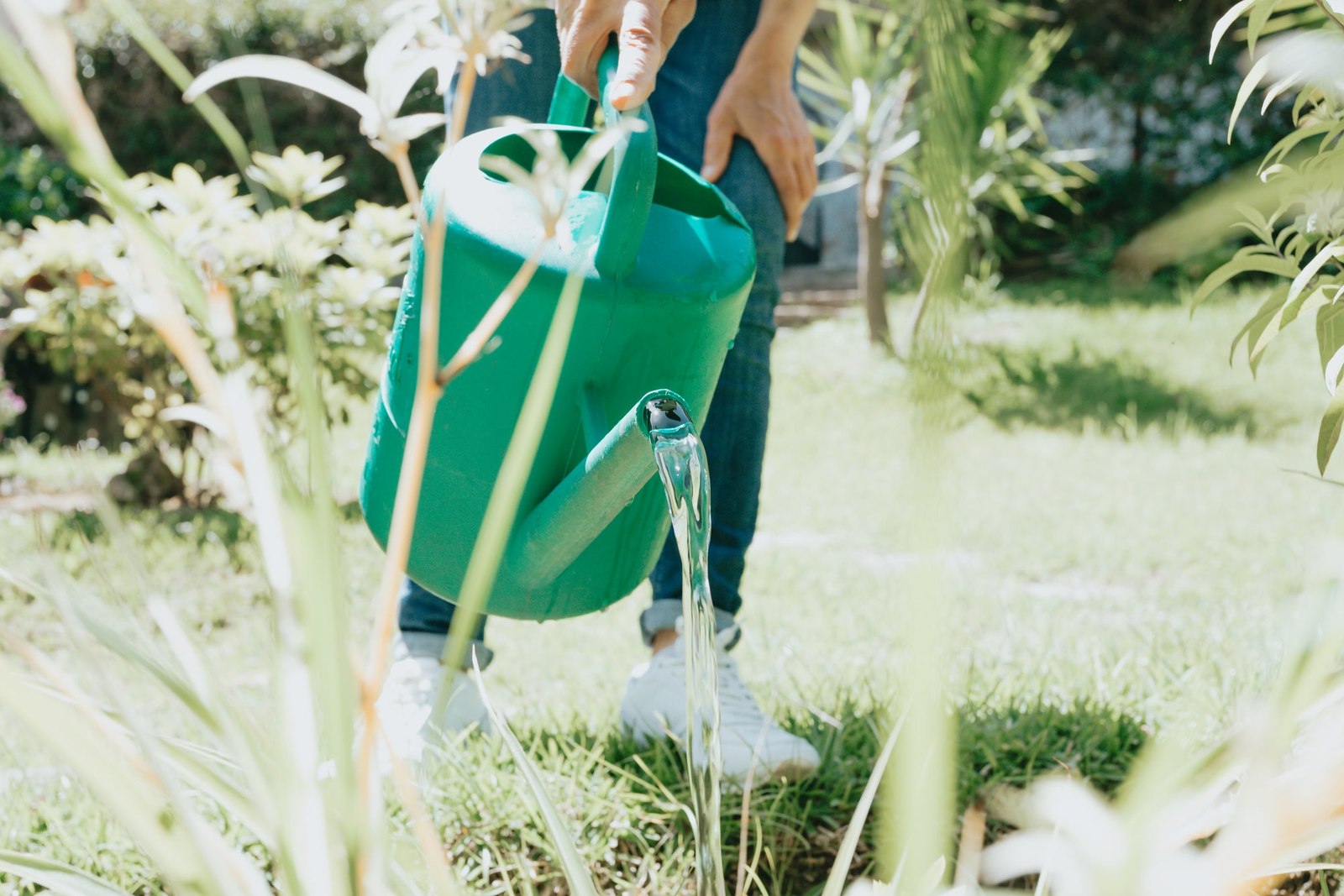
Garden tools belong near their work, but they also need safe storage.
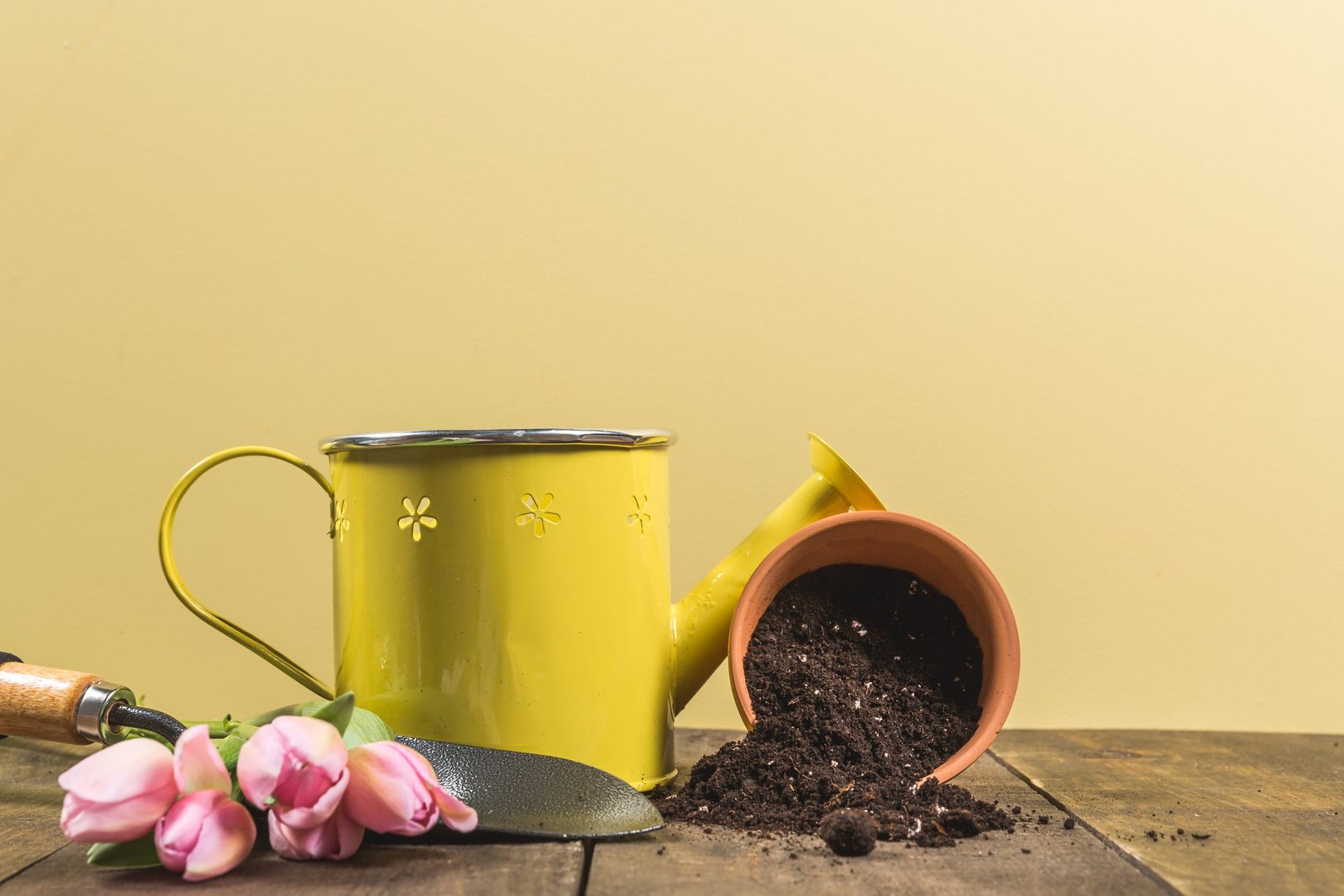
A seed label is written for the weeks when several trays look similar.
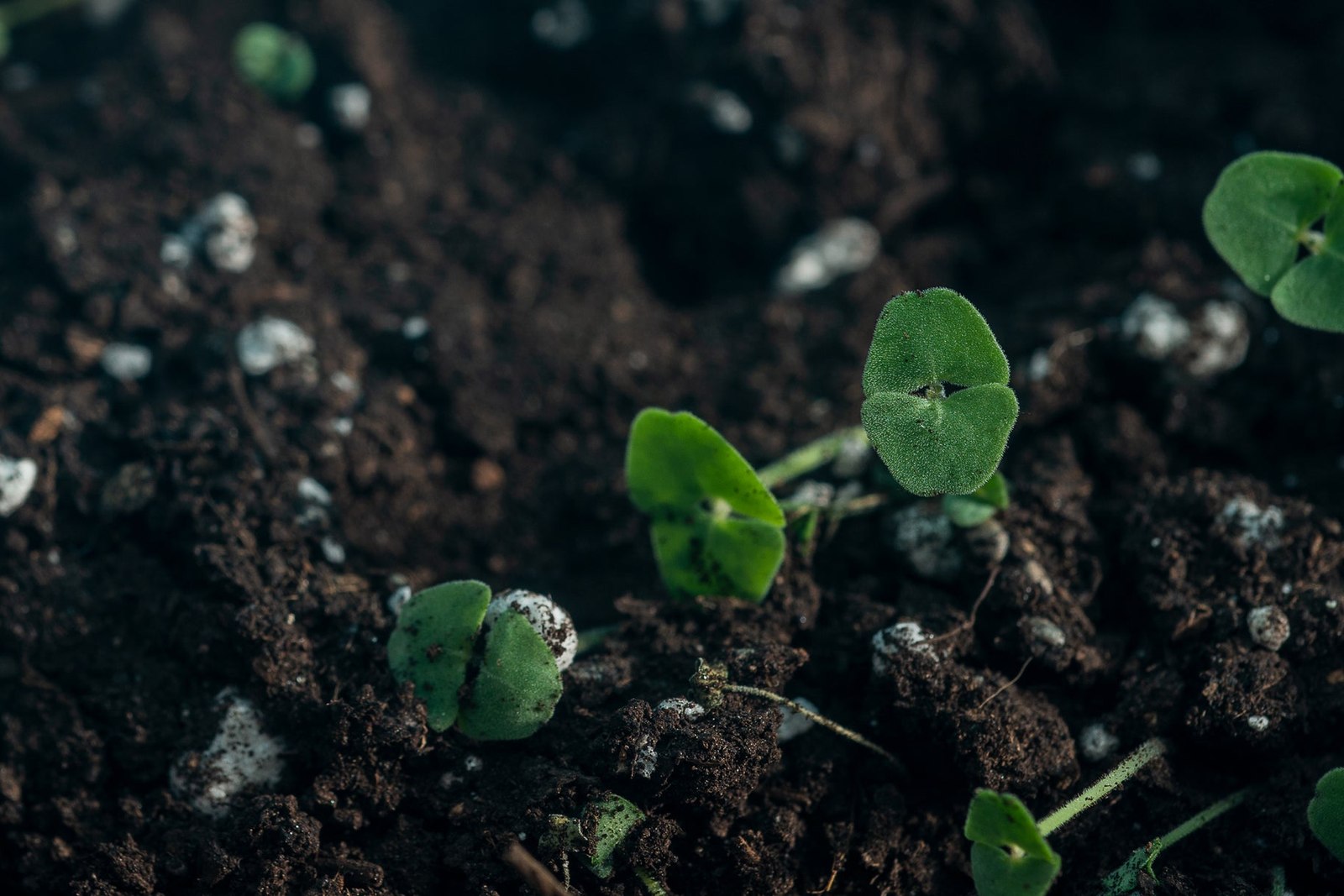
The route from an herb pot to the kitchen includes identification, suitable care and hygienic handling.
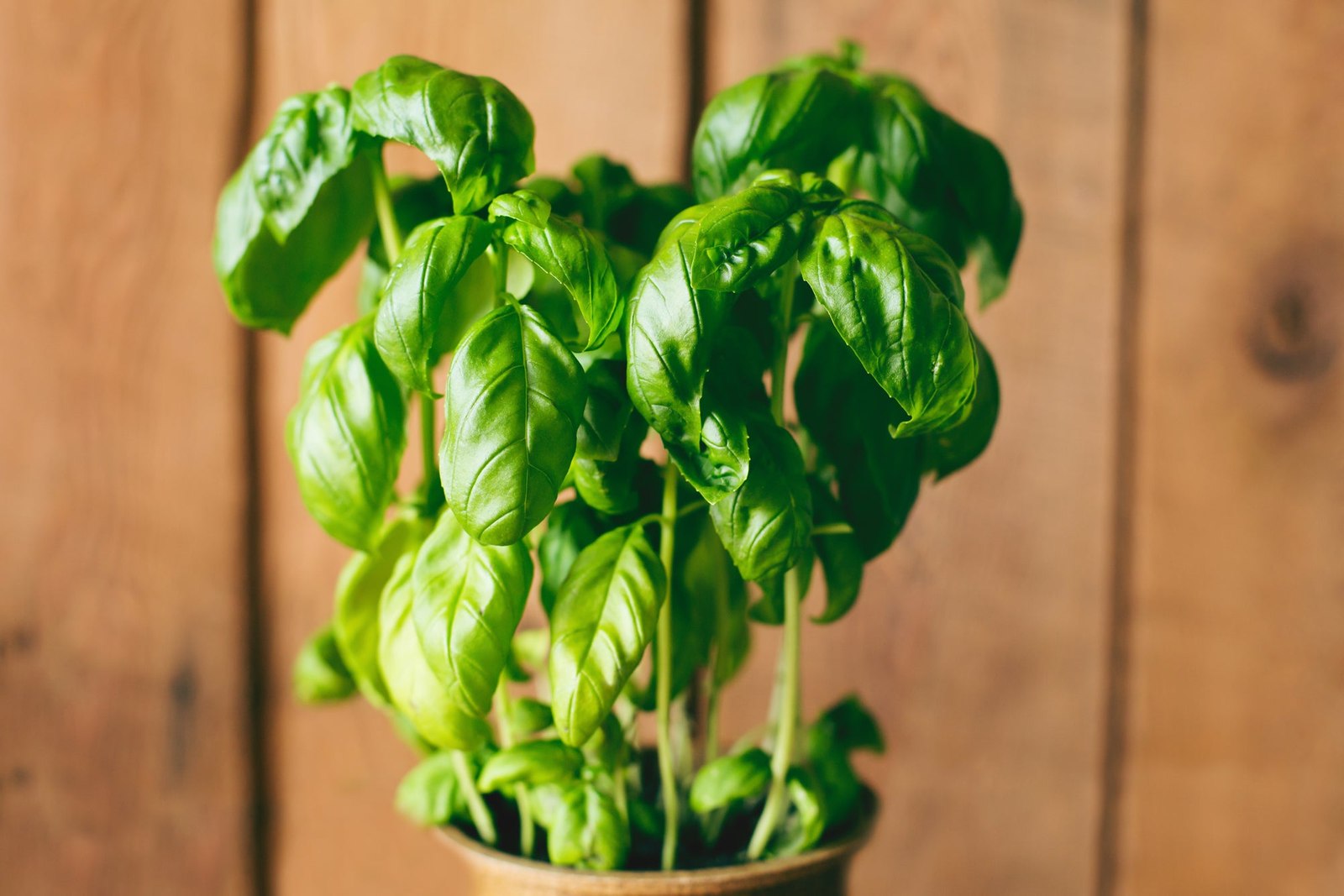
A working path should let you reach plants without stepping into their growing space.
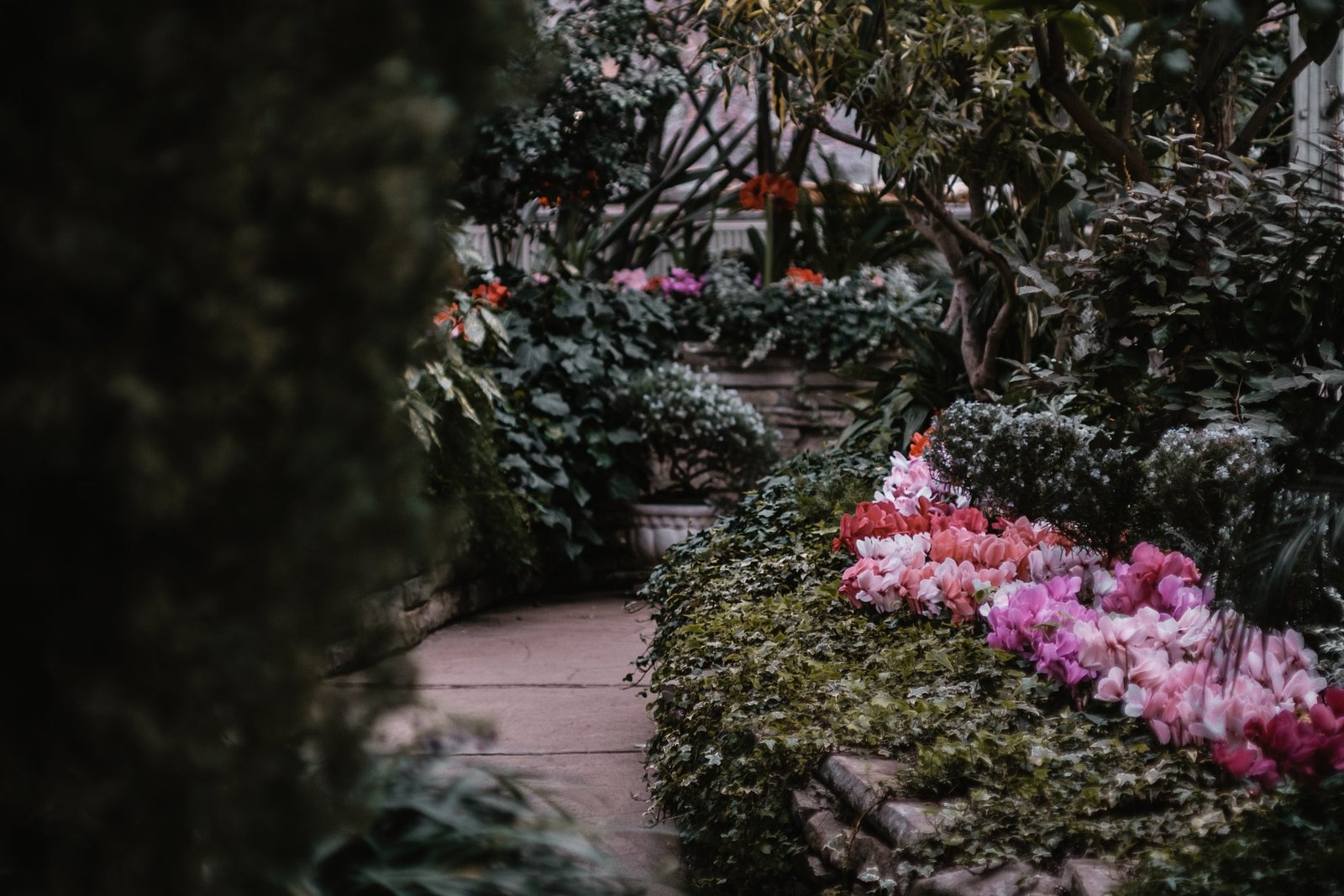
Fallen leaves show where wind, walls and surfaces collect material.
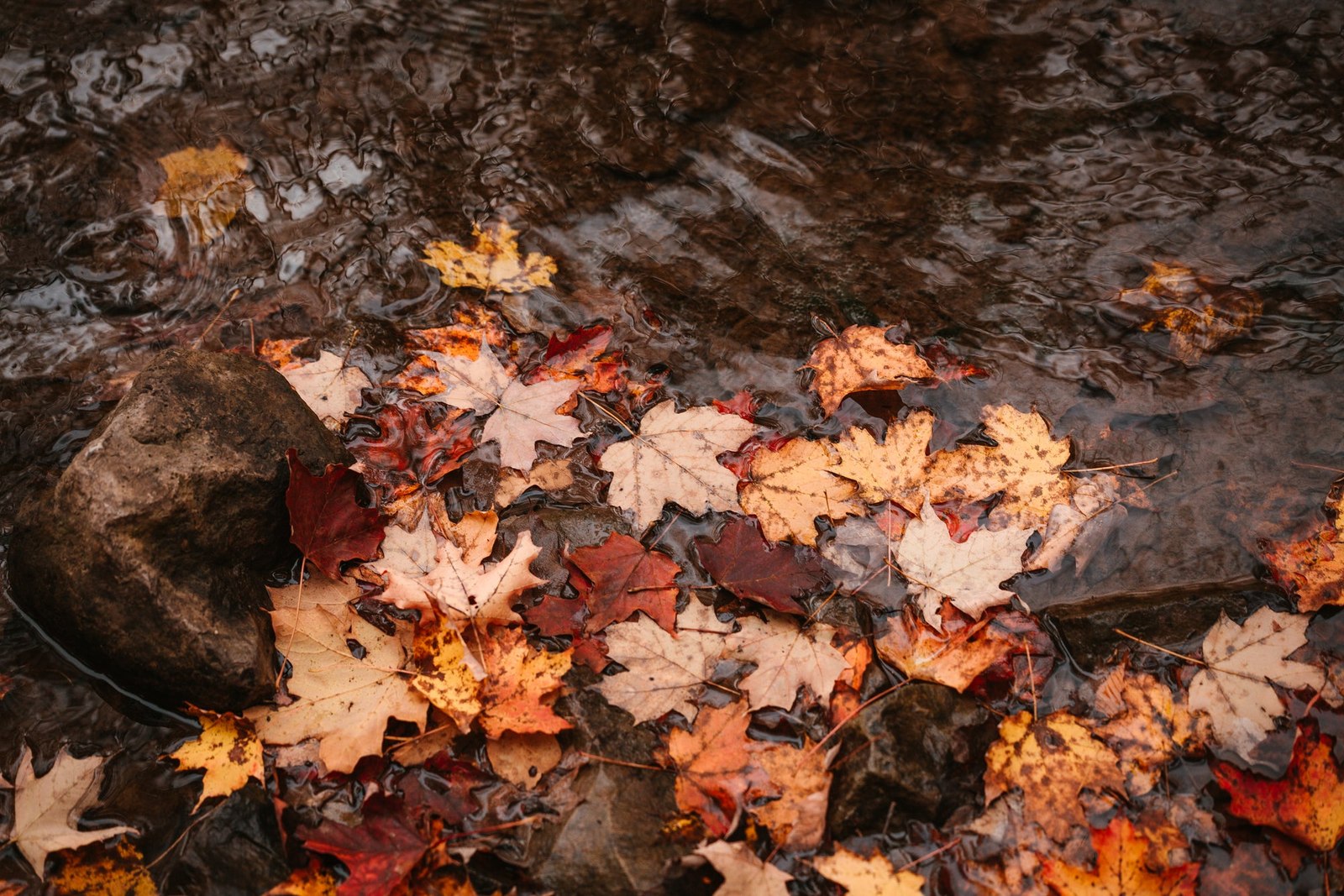
A garden's shade map changes with the season.
A large planted pot can be much heavier and less stable than it looks.
A winter plan starts with local conditions and the plants you actually grow.
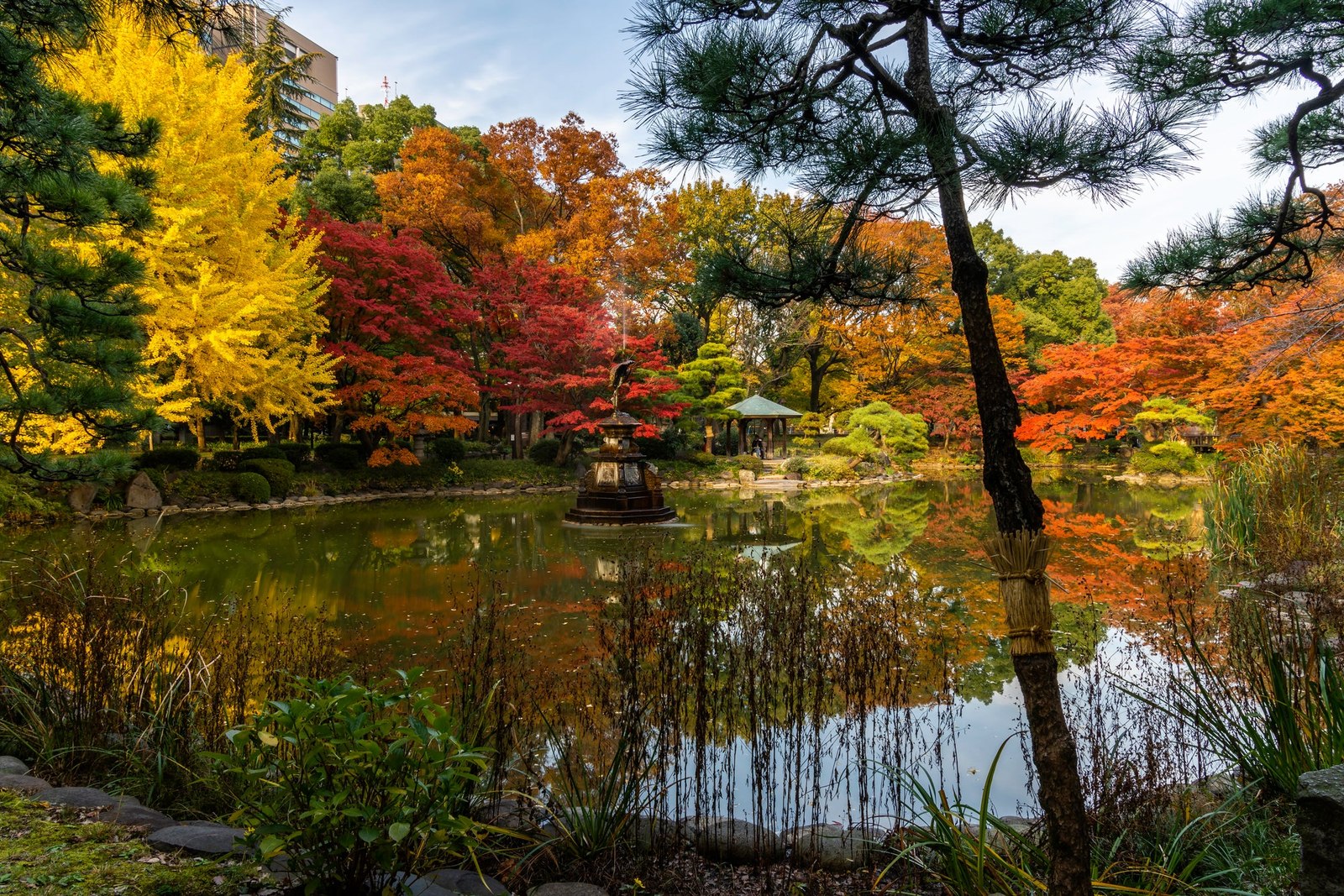
A garden record earns its place when it changes next year's work.