Check the shade again when the season changes
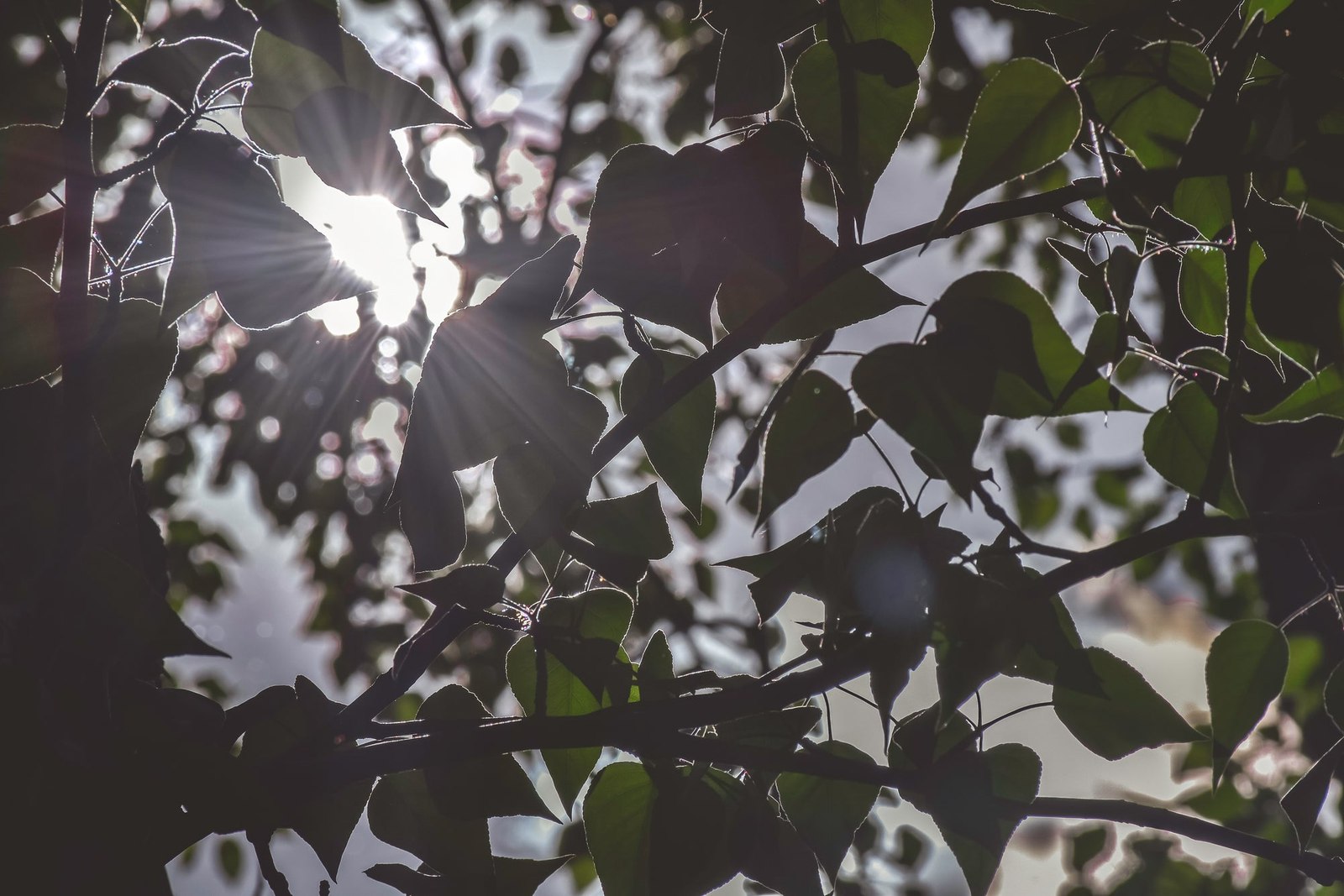
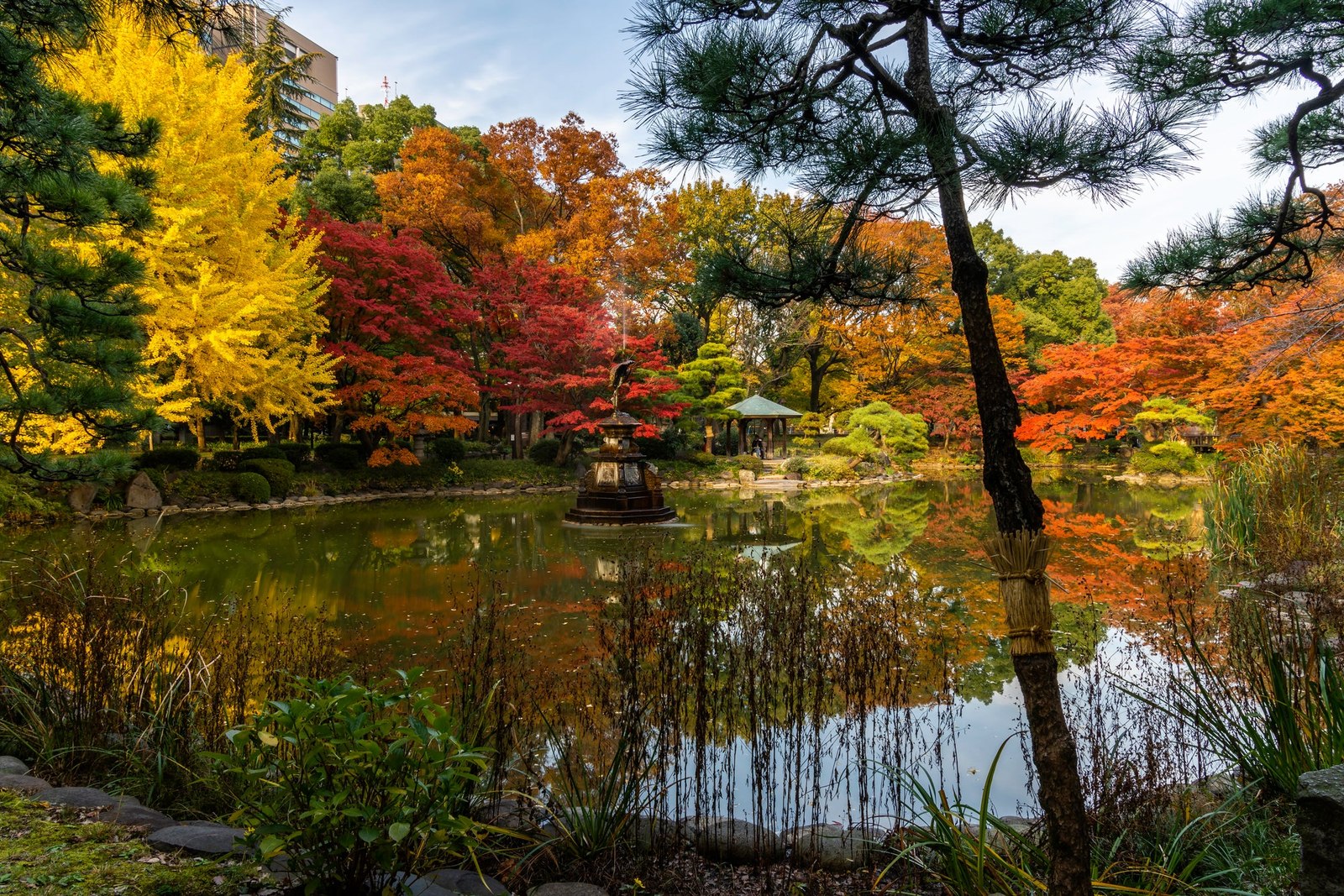
A garden's shade map changes with the season.
A garden's shade map changes with the season. Recheck the places you rely on instead of assuming the summer arrangement describes the whole year.
Observe from the same safe positions at useful times of day. Record the date, time and weather with a simple sketch or photograph. Note the shadows from buildings, fences and deciduous plants. A cloudy day's brightness does not show exactly where direct sun would fall.
Connect the change to a plant
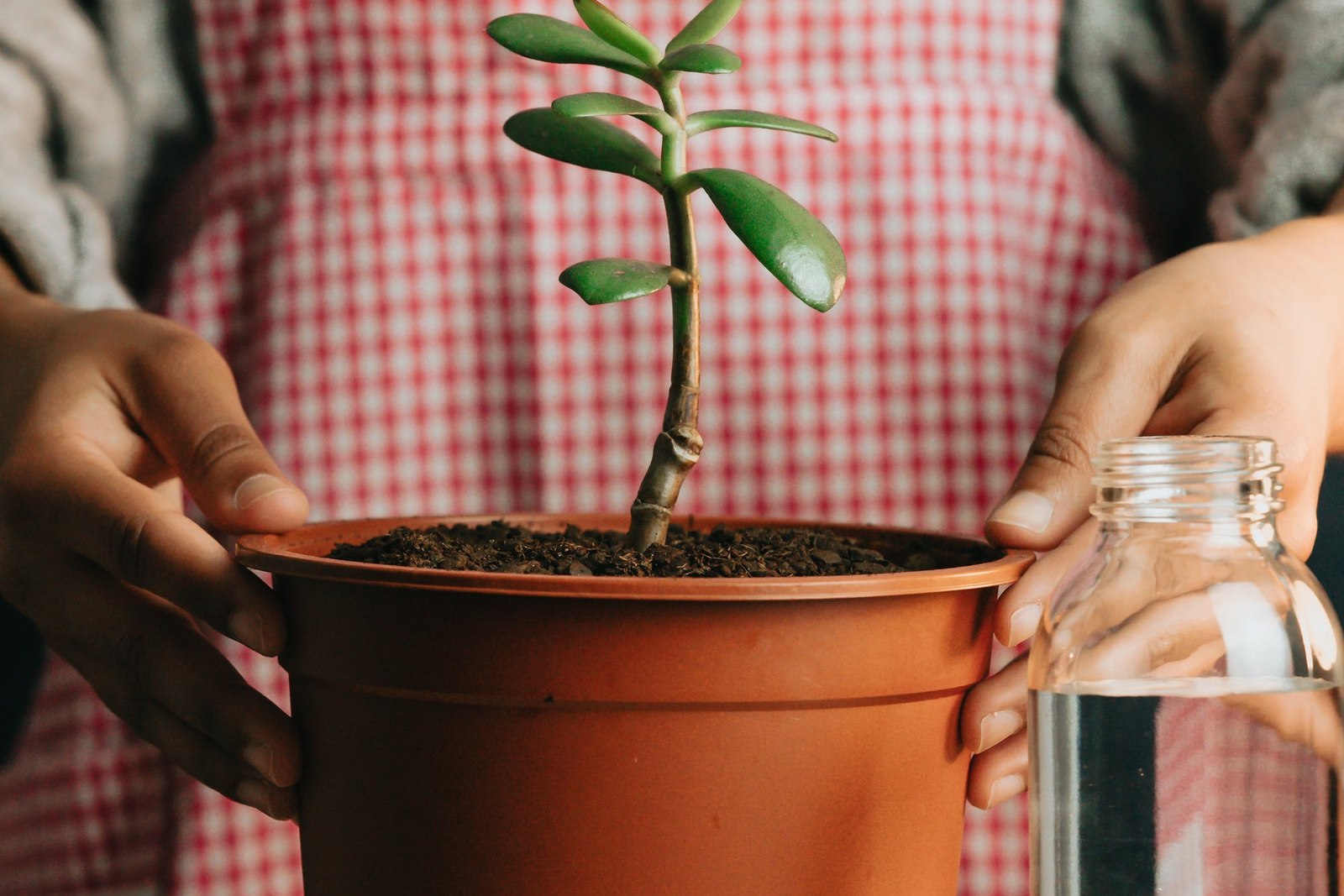
Identify which containers or beds are affected and consult suitable guidance for the plants there. A shift in light may interact with temperature, wind and watering needs, so avoid prescribing one automatic response for the whole garden.
If a move is appropriate, plan it safely and record the original position. Large containers and fixed beds require different decisions. Do not put a plant on an unstable ledge just because that patch receives more sun.
Compare new growth and conditions over a suitable period. Keep observations separate from a diagnosis when a plant is struggling, and seek advice when needed. The seasonal map becomes more useful with each visit because it describes the space you actually have. It can guide next year's choices without turning one photograph of a sunny afternoon into a permanent planting rule.