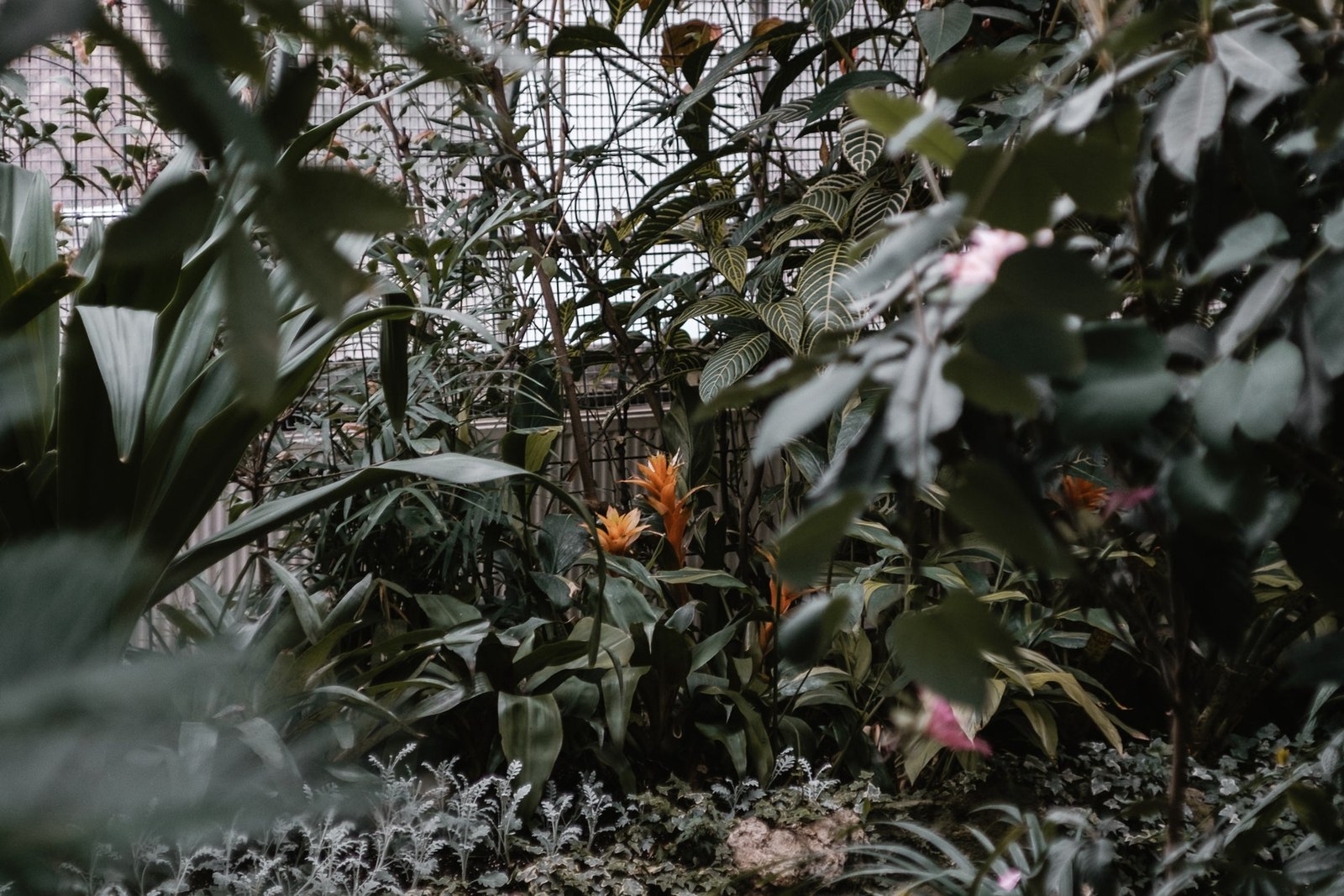
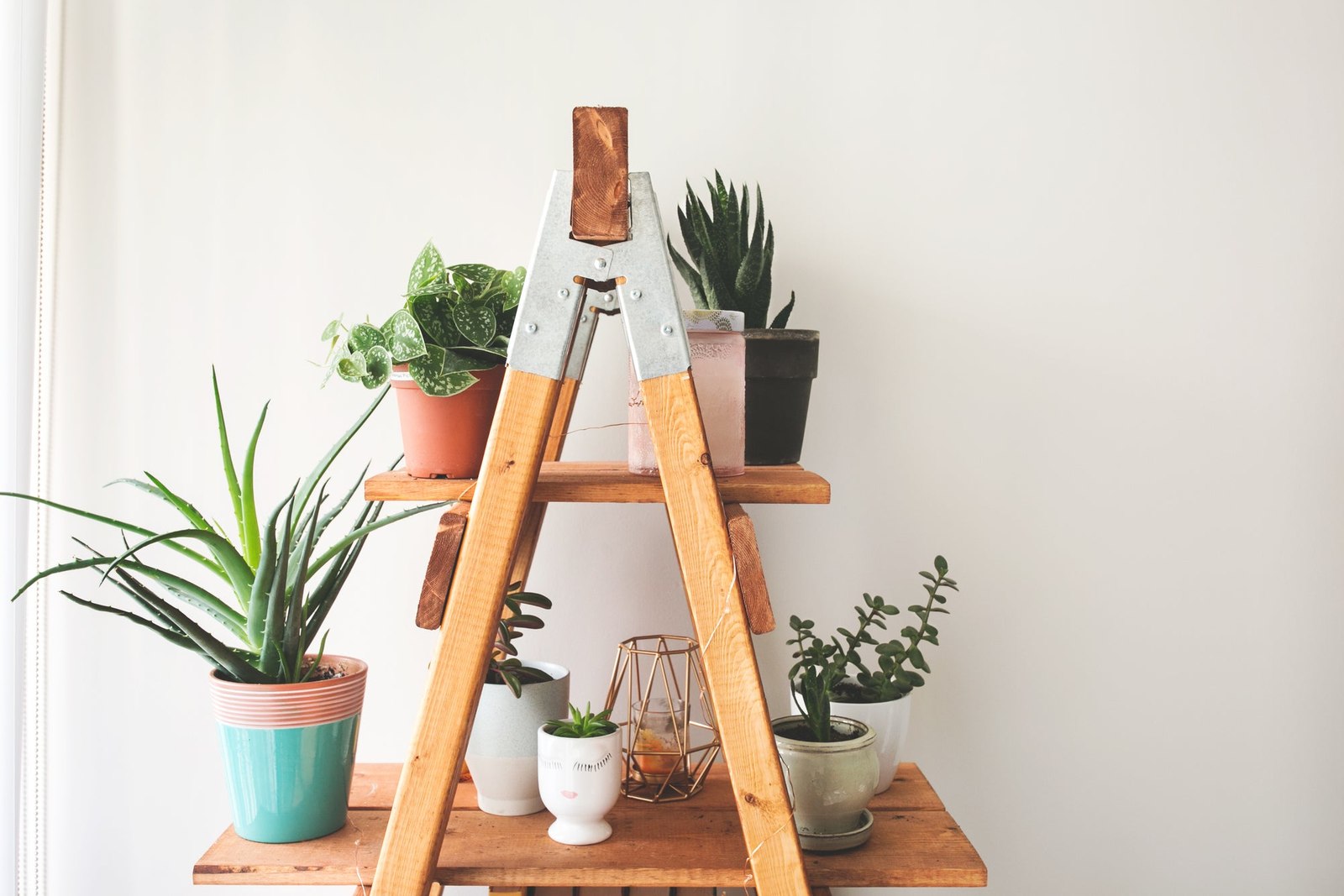
Notice the sheltered corner of a small garden
A sheltered corner can differ from the open part of a small garden.
A sheltered corner can differ from the open part of a small garden. Observe its actual conditions before treating shelter as an automatic advantage.
Notice wind, rain exposure and the shade cast by walls or nearby plants. Observe from a safe place and do not enter a restricted area to inspect the boundary. Record the date and weather, since one calm afternoon cannot describe the corner throughout the year.
Check the trade-offs
Shelter may coincide with reduced light or a place where water collects. Look at the surface and drainage arrangement without assuming the cause of a damp patch. Property drainage or structural concerns may need suitable professional advice, separate from planting choices.
Identify the plants already there and compare their needs with the conditions you recorded. Use reliable local horticultural guidance when selecting replacements or additions. Avoid choosing a plant solely because a photograph shows it beside a similar wall.
Revisit after a different kind of weather and note what changed. Keep access for care and maintenance, rather than filling every protected patch with another container. The corner becomes useful when you understand its limits. A small, well-observed space can support a better decision than a broad label such as sheltered, shady or easy.